How to Check Whether ChatGPT Mentions Your Brand
A step-by-step way to find out if ChatGPT recommends your brand, who it names instead, and which sources it's pulling those answers from.
Open ChatGPT and ask it the kind of question a buyer would actually ask in your category. See who it names. That is the whole method at its core, the rest of this is how to do it properly so the answer means something instead of one lucky or unlucky prompt.
Start with the questions a buyer would ask, not your brand name
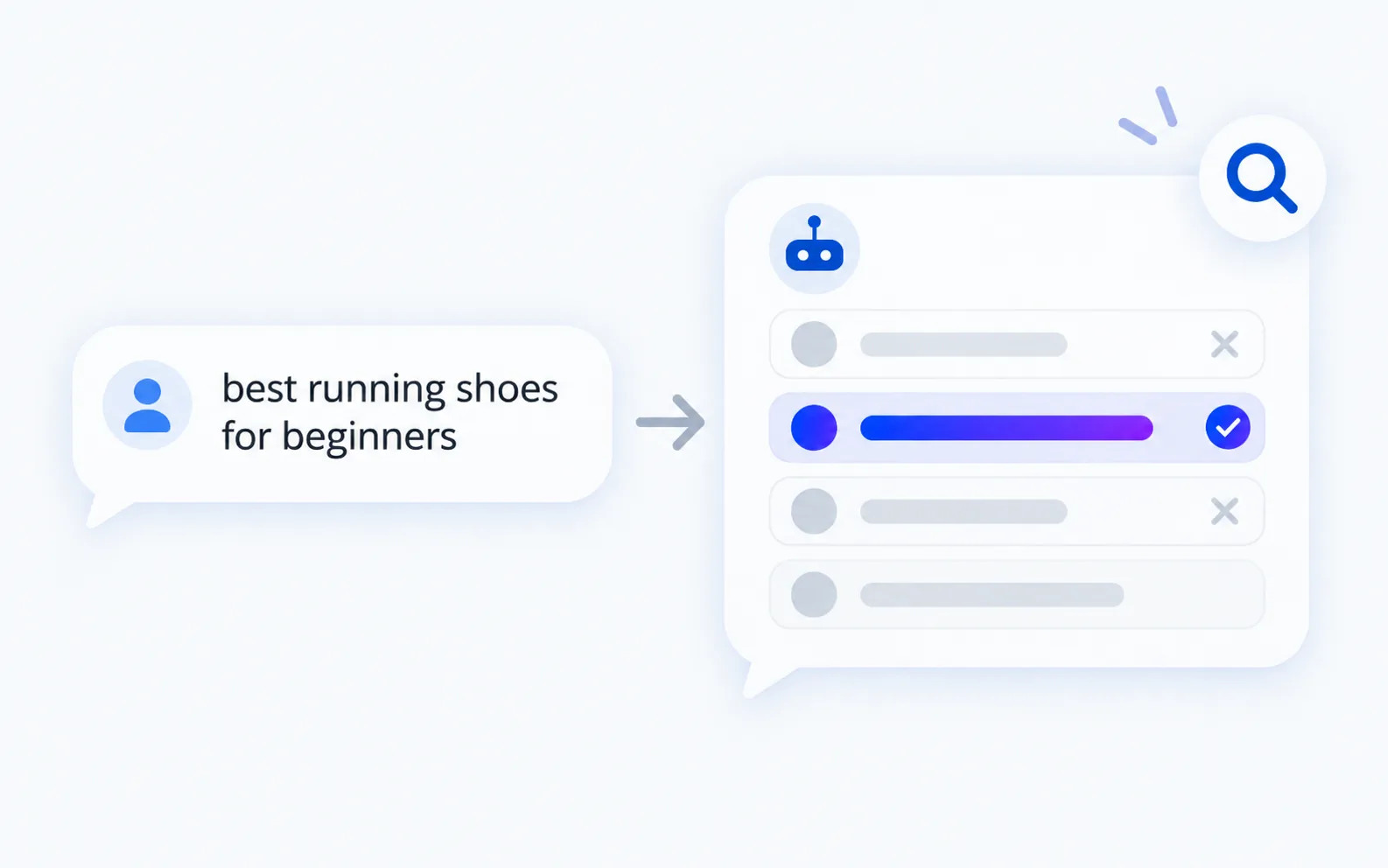
Do not ask “what do you think of [your brand].” That prompts ChatGPT to answer about a specific brand you already named, which tells you nothing about whether it would surface you unprompted. Ask the category question instead: “what’s a good tool for keyword research on a budget,” “best alternatives to Ahrefs,” “how do I track my rankings without a monthly subscription.” Those are the questions that decide whether you show up in someone’s actual shortlist.
Write down 10 to 15 of these before you start. Cover the different ways someone searches for your category: broad (“best X”), comparative (“X vs Y”), budget-framed (“cheap X”, “free alternative to X”), and problem-framed (“how do I do X without paying for a subscription”). A single question tells you almost nothing, since ChatGPT’s answers vary run to run. A set of 10 or more across different phrasings starts to show a real pattern.
Run each one and record three things
For every question, note whether your brand is named at all, which competitors are named instead, and if ChatGPT cites specific websites or sources for its answer. The third one matters as much as the first two. If three competitors keep showing up and you can see which page or review each answer seems to be pulling from, that page is your actual target, not the AI tool itself.
Do this in a fresh chat each time, not a continued conversation, so earlier prompts do not bias later answers. Run the same list against Google’s AI Overviews too if you have access, since it is a separate system from ChatGPT and often names a different mix of brands for the same question.
Repeat it on a schedule
One pass is a snapshot, not a trend. AI answers shift as models get updated and as new content gets indexed and trusted, so the same question can return a different lineup a month later. Running the same question list every few weeks and keeping a simple log, even a spreadsheet with a date column, is what turns this from a one-off curiosity into something you can act on.
Doing this by hand versus a tool
The manual method above costs nothing and works. Its limits are that it is slow to run consistently, ChatGPT’s answers vary between runs so a single check on a single day is noisy, and there is no easy way to see the trend over months without keeping your own log.
I built the AI Visibility check into SearchCredits to cover the parts that are tedious to do by hand. Give it a brand name or a domain and it returns how often you are mentioned across ChatGPT and Google’s AI answers, the trend over recent months, the competitors that keep getting co-mentioned alongside you, and the source domains those answers actually cite. It costs 25 credits, about $0.25, and there is a prompt explorer add-on for 10 credits that shows the exact questions and answer text where your brand appears or does not, so you can see the specific prompts your competitors are winning instead of guessing at them.
For a business without a lot of history yet, running the manual version once to get a feel for the landscape, then switching to a monthly automated check once you know it is worth tracking, is a reasonable way to use both.
What to do once you know where you stand
If a competitor keeps getting named and you can see the source the answer is pulling from, read that page. It is usually a comparison post, a “best tools for X” roundup, or a review site, and the fix is either getting your own brand added to that same page or publishing something comparable that earns its own citations over time. This is closer to normal content and outreach work than any kind of technical trick.
If nobody in your category shows up consistently, meaning ChatGPT gives a different, thin, or generic answer each time, that is often a sign the category itself does not have much clear, citable content defining it yet. That is an opening rather than a problem: being the source that clearly explains a category is one of the more reliable ways to end up cited when it matures.
My broader guide to AI visibility covers what the two AI mention types actually mean and why this started mattering in the first place, if you want the fuller picture behind this checklist. And if you are also trying to figure out whether a paid research tool is worth it at all, the Ahrefs alternative comparison covers the pay-as-you-go option instead of a monthly subscription.
Frequently asked questions
How do I know if ChatGPT mentions my brand?
Ask it a set of real category questions, not your brand name directly, in fresh chats, and note whether you are named, who is named instead, and which sources the answer cites. Run the same list again after a few weeks, since a single check on a single day is not a reliable read.
Why does ChatGPT name my competitor but not me?
Usually because the model has seen your competitor referenced across more sources it treats as trustworthy, often comparison posts or review roundups. Finding which source an answer cites and getting included there, or publishing an equivalent piece yourself, is the practical fix.
Does asking ChatGPT about my own brand by name count as a visibility check?
Not really. Asking about a brand you already named tests whether ChatGPT knows about it, not whether it would surface that brand unprompted. The useful test is a category question a real buyer would type, with no brand name in the prompt.
How often should I check my ChatGPT visibility?
Every few weeks is enough for most businesses, since AI answers shift as models update and new content gets trusted. A single snapshot tells you where things stand today; a repeated check tells you whether the trend is moving in your favor.
Is there a faster way to check this than asking manually?
Yes. A tool like SearchCredits’ AI Visibility check runs this across ChatGPT and Google’s AI answers for a brand or domain in one lookup, with the trend over time and the competitors and sources involved, for about $0.25 per check.